Download PDF

1. Company Snapshot

1.a. Company Description

Unilever PLC operates as a fast-moving consumer goods company.It operates through Beauty & Personal Care, Foods & Refreshment, and Home Care segments.The Beauty & Personal Care segment provides skin care and hair care products, deodorants, and skin cleansing products.


The Foods & Refreshment segment offers ice cream, soups, bouillons, seasonings, mayonnaise, ketchups, and tea categories.The Home Care segment provides fabric solutions and various cleaning products.The company offers its products under the Domestos, OMO, Seventh Generation, Ben & Jerry's, Knorr, Magnum, Wall's, Bango, the Vegetarian Butcher, Axe, Cif, Comfort, Dove, Lifebuoy, Lux, Rexona, Sunsilk, Equilibra, OLLY, Liquid I.V., SmartyPants, Onnit, Hellmann's, and Vaseline brands.


Unilever PLC was incorporated in 1894 and is headquartered in London, the United Kingdom.

Show Full description

1.b. Last Insights on ULVR

Unilever's recent performance has been impacted by several negative factors. The company's revenue declined 3.2% in the first half of 2025, with EPS decreasing to €1.43 from €1.48 in the same period last year. Unilever's Indian unit flagged a short-term impact on sales from tax cuts, expecting consolidated business growth to be nearly flat or in the low-single digit range for the quarter ending September 30. Additionally, the company plans to replace about 25% of its top 200 leaders as part of a broad restructuring effort.

1.c. Company Highlights

2. Unilever's H1 2025 Earnings: A Resilient Performance

Unilever reported a turnover of EUR 30.1 billion for H1 2025, down 3.2% year-on-year, with underlying sales growth (USG) of 3.4%, driven by a balance of volume and price. The underlying operating margin was 19.3%, down 30 basis points, reflecting increased brand and marketing investments. Underlying earnings per share (EPS) was EUR 1.59, a 2.1% decline versus the prior year. Actual EPS came in at EUR 1.41, beating estimates of EUR 1.32.

Publication Date: Jul -31

📋 Highlights
  • Underlying Sales Growth: 3.4% growth in H1 2025, driven by balanced volume and price contributions.
  • Operating Margin: 19.3% underlying operating margin, down 30 basis points, reflecting increased brand investments.
  • Demerger Impact: Ice Cream demerger expected mid-November, with Unilever retaining a ~20% stake and net debt-to-EBITDA ratio of ~2x post-demerger.
  • Regional Performance: 4.3% growth in developed markets (North America: 5.4%, Europe: 3.4%) and improving emerging markets (Asia Pacific Africa: 3.5%).
  • Full-Year Guidance: Underlying sales growth expected in 3-5% range for 2025, with H2 growth outpacing H1.

Segmental Performance

Beauty & Wellbeing USG was 3.7%, driven by 1.7% volume and 2% price. Personal Care delivered 4.8% USG, driven by 1.4% volume and 3.3% price. Home Care USG was 1.3%, with 1.1% from volume and 0.2% from price. Ice Cream USG grew 5.9%, driven by 3.8% volume and 2% price. The company's Power Brands grew 3.8% in H1, including 1.6% from volume.

Geographic Performance

Developed markets grew 4.3%, driven by North America (5.4%) and Europe (3.4%). Emerging markets improved, with Asia Pacific Africa up 3.5% and accelerating to over 5% in Q2. India performed well, with volume stability and improvement in market growth. The U.S. has seen four consecutive quarters of volume growth above 4%.

Outlook and Guidance

Unilever expects underlying sales growth to be within the range of 3% to 5% for 2025, with growth in the second half outpacing the first half. The company anticipates an improvement in underlying operating margin for the full year, with second-half margins of at least 18.5%. Analysts estimate next year's revenue growth at 2.3%.

Valuation Metrics

Unilever's current valuation metrics include a P/E Ratio of 22.14, P/B Ratio of 6.36, and EV/EBITDA of 12.18. The company's Dividend Yield is 3.27%, and Free Cash Flow Yield is 6.22%. The Net Debt / EBITDA ratio is expected to be around 2x post-demerger. With an ROE of 28.51% and ROIC of 11.12%, Unilever's profitability metrics remain strong.

3. NewsRoom

Card image cap

Unilever to invest in food factory expansion in Poland

Dec -04

Card image cap

Ben & Jerry’s Foundation comes under TMICC “governance” microscope

Dec -04

Card image cap

Ben & Jerry’s pro-Gaza stance risks derailing £7bn spin-off

Dec -04

Card image cap

Audit flags governance gaps at Ben & Jerry’s Foundation

Dec -03

Card image cap

Unilever confirms sale of Graze to Katjes International

Dec -01

Card image cap

Bank of America Securities Remains Bullish on Unilever PLC (UL)

Nov -28

Card image cap

Katjes Group ‘in talks to buy Graze from Unilever’

Nov -27

Card image cap

3 biggest consumer trends from holiday shoppers this year

Nov -26

4. Business Breakdown

4.a. Revenues by Country

4.b. Revenues by Segment

5. Expected revenues mid-term growth (2.71%)

6. Segments

Personal Care Business (Excl. Beauty & Wellbeing Business)

Expected Growth: 2.5%

The Personal Care Business (excl. Beauty & Wellbeing) growth of 2.5% is driven by premiumization trends, innovation in hygiene products, and expanding distribution channels. Unilever's focus on sustainability and digital transformation also contribute to its growth. Price increases and mix improvement further support this growth, offsetting raw material inflation and currency fluctuations.

Beauty & Wellbeing Business

Expected Growth: 3.5%

The Beauty & Wellbeing business from Unilever PLC grew 3.5% due to increasing demand for sustainable and natural products, strong brand portfolio (e.g., Dove, Axe), and expanding e-commerce capabilities. Consumers' focus on self-care and wellness also drove growth, with sales boosted by premiumization and innovation in skincare and haircare categories.

Foods

Expected Growth: 2.0%

Unilever's food segment growth of 2.0 is driven by increasing demand for sustainable and healthy food options, innovation in emerging markets, and price increases. The company's diverse portfolio, including brands like Knorr and Lipton, and strategic acquisitions have also contributed to growth. Operational efficiencies and cost savings have helped maintain profitability.

Ice Cream

Expected Growth: 2.8%

Unilever's ice cream segment growth of 2.8% is driven by premiumization, innovation, and expanding presence in emerging markets. Brands like Magnum and Ben & Jerry's have contributed to growth through premium offerings and unique flavors. Increasing demand for take-home ice cream and strategic pricing have also supported segment growth.

Home Care

Expected Growth: 2.8%

Unilever's Home Care segment growth of 2.8% is driven by increasing demand for cleaning and hygiene products, expansion into emerging markets, and innovation in product offerings. The segment's growth is also attributed to the company's focus on sustainability and eco-friendly products, which resonates with environmentally conscious consumers.

7. Detailed Products

Dove Soap

A personal care product that provides moisturizing and nourishing properties for skin care

Axe Body Spray

A personal care product that provides long-lasting fragrance and confidence for young men

Knorr Soup

A food product that offers a range of flavors and nutrients for a quick and easy meal solution

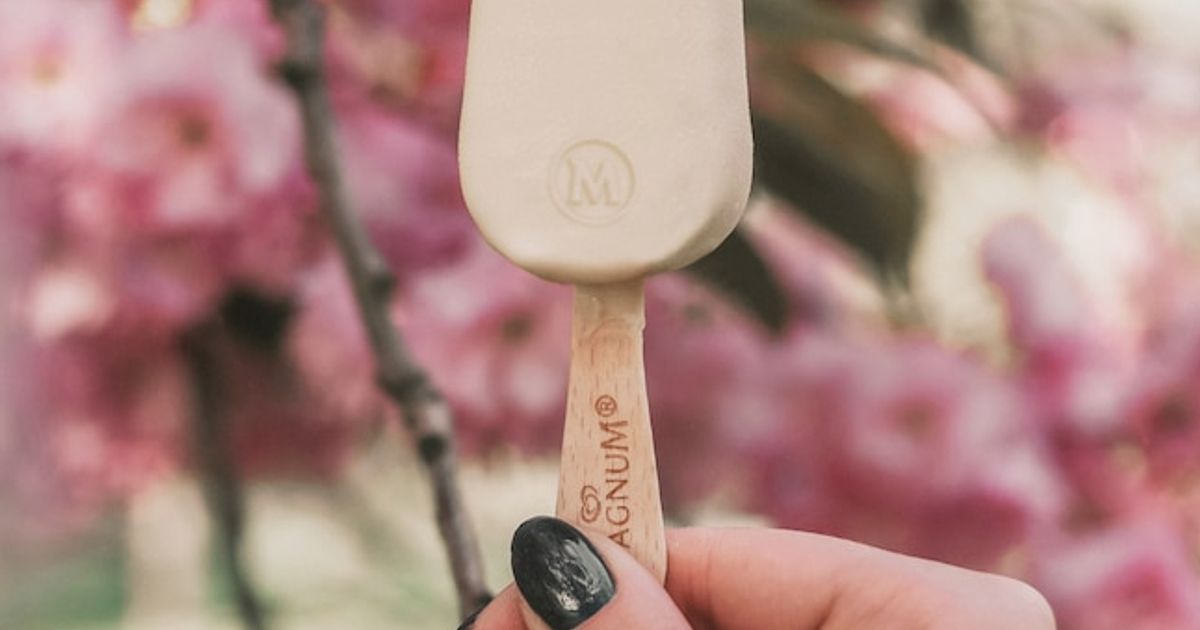
Magnum Ice Cream

A frozen dessert that provides a rich and indulgent treat for ice cream lovers

Suave Hair Care

A personal care product that provides affordable and effective hair care solutions for budget-conscious consumers

Vaseline Petroleum Jelly

A personal care product that provides moisturizing and protective properties for skin care

Hellmann's Mayonnaise

A food product that offers a range of flavors and uses for cooking and food preparation

Lipton Tea

A beverage product that provides a range of flavors and health benefits for tea drinkers

Rexona Deodorant

A personal care product that provides long-lasting protection and confidence for active individuals

Becel Margarine

A food product that offers a healthier alternative to traditional butter and margarine

8. Unilever PLC's Porter Forces

Forces Ranking

Threat Of Substitutes

Unilever PLC operates in various consumer goods sectors such as beauty, personal care, and home care. While there are substitutes available for some of its products, the company's strong brand portfolio and diversified product range reduce the threat of substitutes. However, the increasing popularity of private label brands and natural/alternative products pose a moderate threat.

Bargaining Power Of Customers

Unilever PLC has a large and diversified customer base across various channels, including retail, foodservice, and industrial. The company's strong brand portfolio and wide product range reduce customer bargaining power. Additionally, many customers are small to medium-sized businesses, which have limited negotiating power.

Bargaining Power Of Suppliers

Unilever PLC sources raw materials from various suppliers globally. While the company has a large and diversified supplier base, some suppliers may have significant bargaining power due to the uniqueness of their products or limited alternatives. However, Unilever's scale and negotiating power help to mitigate this risk.

Threat Of New Entrants

The consumer goods industry has high barriers to entry, including significant marketing and advertising expenses, high distribution costs, and strict regulations. Unilever PLC's strong brand portfolio, extensive distribution network, and economies of scale make it difficult for new entrants to compete effectively.

Intensity Of Rivalry

The consumer goods industry is highly competitive, with many established players competing for market share. Unilever PLC competes with other large multinational companies such as Procter & Gamble, Nestle, and Reckitt Benckiser. The high level of competition leads to significant marketing and advertising expenses, price competition, and innovation.

9. SWOT Analysis

10. Capital Structure

10.a. Balance Sheet

10.b. Weighted Average Cost of capital

Value
Debt Weight 60.53%
Debt Cost 5.08%
Equity Weight 39.47%
Equity Cost 5.75%
WACC 5.34%
Leverage 153.35%

11. Quality Control: Unilever PLC passed 4 out of 9 key points

12.a Historical Valuation

12.b Price/Earnings Ratio

12.c Margin Valuation

12.d Peers Valuation

Peers Group Analysis

Stock-Card
Reckitt Benckiser

A-Score: 6.0/10

Value: 1.3

Growth: 5.4

Quality: 5.2

Yield: 6.2

Momentum: 9.0

Volatility: 9.0

1-Year Total Return ->

Stock-Card
Henkel

A-Score: 5.6/10

Value: 6.0

Growth: 4.1

Quality: 6.9

Yield: 5.0

Momentum: 1.5

Volatility: 10.0

1-Year Total Return ->

Stock-Card
Essity

A-Score: 5.5/10

Value: 5.1

Growth: 5.4

Quality: 5.7

Yield: 6.2

Momentum: 0.5

Volatility: 10.0

1-Year Total Return ->

Stock-Card
L'Oréal

A-Score: 5.0/10

Value: 2.0

Growth: 5.9

Quality: 7.8

Yield: 3.1

Momentum: 3.0

Volatility: 8.0

1-Year Total Return ->

Stock-Card
Unilever

A-Score: 4.9/10

Value: 2.0

Growth: 4.4

Quality: 5.0

Yield: 6.2

Momentum: 2.0

Volatility: 10.0

1-Year Total Return ->

Stock-Card
Beiersdorf

A-Score: 4.1/10

Value: 2.1

Growth: 5.4

Quality: 6.4

Yield: 1.2

Momentum: 0.5

Volatility: 9.0

1-Year Total Return ->

Peers Metrics

12.e Scoring Insights

12.f DCF BETA

Parameters

Short Term Growth

Short term Time

Long-Term Growth

WACC

Target Price

44.56$

Current Price

44.56$

Potential

-0.00%

Expected Cash-Flows