Download PDF

1. Company Snapshot

1.a. Company Description

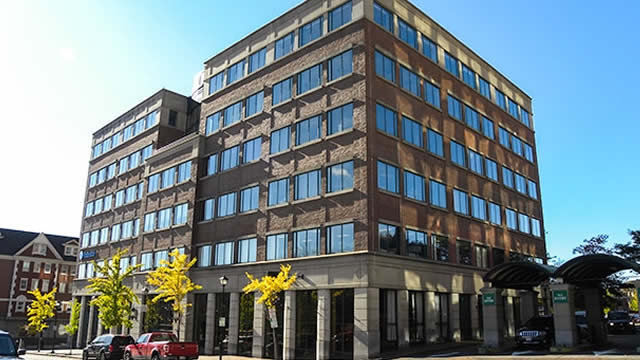
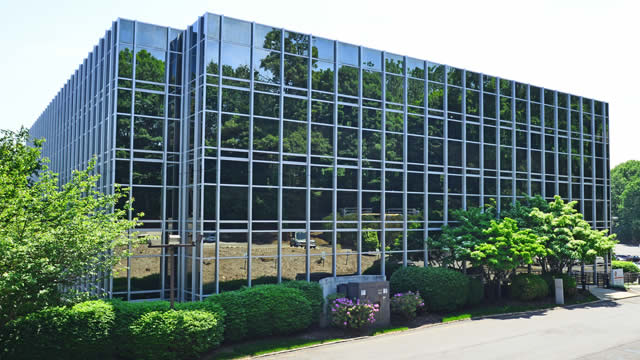
Brandywine Realty Trust (NYSE: BDN) is one of the largest, publicly traded, full-service, integrated real estate companies in the United States with a core focus in the Philadelphia, Austin and Washington, D.C. markets.Organized as a real estate investment trust (REIT), we own, develop, lease and manage an urban, town center and transit-oriented portfolio comprising 175 properties and 24.7 million square feet as of December 31, 2020 which excludes assets held for sale.Our purpose is to shape, connect and inspire the world around us through our expertise, the relationships we foster, the communities in which we live and work, and the history we build together.

Show Full description

1.b. Last Insights on BDN

Brandywine Realty Trust's recent performance was negatively driven by a disappointing Q4 earnings report, which missed estimates on both FFO and revenue. The company's quarterly funds from operations (FFO) came in at $0.17 per share, missing the consensus estimate of $0.24 per share. Additionally, Brandywine's ambitious business plan, which includes $300 million in dispositions and operational improvements, raises concerns about the sustainability of its cash flow and payout ratios. The company's push into life sciences, amid market oversupply and high vacancy rates, also poses risks, with key projects lagging in lease-up activity.

1.c. Company Highlights

2. Brandywine Realty Trust's Q3 2025 Earnings: A Mixed Bag

Brandywine Realty Trust reported a quarterly FFO of $0.16 per share, $0.01 above consensus estimates. The company's operating metrics were largely in line with expectations, with a tenant retention rate of 68% and leasing activity approximating 343,000 square feet. The occupancy and leased rates stood at 88.8% and 90.4%, respectively, indicating a stable operating performance. The company's Philadelphia portfolio remains strong, with 94% occupancy and 96% leased, while Boston is slightly weaker at 77% occupied and 78% leased.

Publication Date: Nov -29

📋 Highlights
  • High Occupancy & Leased Rates:: Portfolio occupancy at 88.8% and leased at 90.4%, with Philadelphia at 94% occupied and 96% leased.
  • FFO Performance:: Reported FFO of $0.16/share, $0.01 above consensus, revised 2025 FFO guidance to $0.51–$0.53/share due to slower stabilization.
  • Debt Refinancing Opportunities:: $900M in bonds with >8% coupons and average debt cost of ~6% highlight potential for refinancing gains.
  • Dividend Reduction:: Cut to $0.08/share (from $0.15) to align with sustainable CAD payout ratios and conserve capital amid market challenges.
  • Capital Plan Execution:: $388M 2025 capital plan includes $245M CMBS repayments and $24M development spend, with net debt/EBITDA temporarily rising to 8.8x Q4.

Leasing and Occupancy Trends

The company's leasing activity was a highlight, with 343,000 square feet of leasing activity, including 164,000 in its wholly-owned portfolio and 179,000 in joint ventures. The mark-to-market was a negative 1.8% on a GAAP basis and a negative 4.8% on a cash basis, although excluding a large renewal in Austin, the company would have been 6.2% positive GAAP and 2.8% positive cash. The company's operating portfolio leasing pipeline remains solid at 1.7 million square feet, providing a positive outlook for future leasing activity.

Debt Management and Capital Structure

The company has made significant progress in managing its debt, with $900 million, or about 50%, of its outstanding bonds having coupons north of 8%, providing potential refinancing opportunities. The average cost of bond debt is slightly north of 6%. The company recently issued $300 million of bonds due January 2031, generating $296 million of gross proceeds at an effective yield of 6.125%, and used $245 million of those proceeds to repay a secured CMBS loan. This move is expected to reduce the company's interest expense and improve its financial metrics.

Dividend Reduction and Capital Allocation

The company's Board decided to lower its dividend from $0.15 per share to $0.08 per share, a sustainable level representing a CAD payout ratio more in line with historical averages. The reduced dividend is seen as a positive move to conserve capital amid a challenging office market and high public cost of capital. The company's capital plan for the balance of the year totals $388 million, including the repayment of the CMBS loan and development spend.

Valuation and Outlook

With a P/E Ratio of -3.18 and a P/B Ratio of 0.71, the company's valuation appears reasonable. Analysts estimate next year's revenue growth at 3.5%, which could provide a positive outlook for the company's financial performance. The company's net debt-to-EBITDA range is between 8.2 and 8.4, although it will temporarily increase to 8.8x at the end of the fourth quarter due to the consolidation of 3025 JFK. Overall, the company's efforts to refinance high-rate debt, recapitalize assets, and reduce leverage are expected to improve its financial metrics and move towards achieving investment-grade status.

3. NewsRoom

Card image cap

The State Of REITs: November 2025 Edition

Nov -18

Card image cap

The Dark Side Of REIT Investing

Nov -15

Card image cap

Brandywine Realty Trust $BDN Position Cut by Nisa Investment Advisors LLC

Nov -05

Card image cap

Fed Cuts, Yields Jump, REITs Dip

Nov -02

Card image cap

Brandywine Realty Trust: Navigating A Challenging Transition Year With Recovery Potential

Oct -31

Card image cap

Ethic Inc. Acquires 4,915 Shares of Brandywine Realty Trust $BDN

Oct -31

Card image cap

Why Office REITs Are A Likely Value Trap

Oct -28

Card image cap

Fed Cleared For Descent

Oct -26

4. Business Breakdown

4.a. Revenues by Country

4.b. Revenues by Segment

5. Expected revenues mid-term growth (7.60%)

6. Segments

Fixed Rent

Expected Growth: 7.5%

Brandywine Realty Trust's 7.5% fixed rent growth is driven by a strong office market, fueled by a thriving tech industry and limited supply in key markets. Additionally, the company's strategic portfolio repositioning efforts, including renovations and redevelopments, are expected to drive rent increases. Furthermore, a solid balance sheet and disciplined capital allocation are supporting the company's growth initiatives.

Variable Rent

Expected Growth: 7.8%

Brandywine Realty Trust's 7.8% variable rent growth is driven by a strong office market, with increasing demand for high-quality space, particularly in urban areas. Additionally, the company's focus on amenitizing its properties and providing a superior tenant experience has led to higher rent retention and growth. Furthermore, the company's strategic acquisitions and dispositions have also contributed to the growth in variable rent.

Third Party Management Fees, Labor Reimbursement and Leasing

Expected Growth: 8.2%

Brandywine Realty Trust's 8.2% growth is driven by increasing Third Party Management Fees from expanding property portfolios, higher Labor Reimbursement rates, and strategic Leasing agreements. Strong demand for office spaces and effective cost management also contribute to the growth.

Other

Expected Growth: 7.2%

Brandywine Realty Trust's 7.2% growth is driven by increasing demand for office spaces, strategic acquisitions, and effective cost management. Additionally, the company's focus on high-growth markets, such as Philadelphia and Austin, contributes to its growth. Furthermore, its diversified tenant base and long-term leases provide a stable source of income, supporting its growth momentum.

Daily Parking & Hotel Flexible Stay

Expected Growth: 8.5%

Brandywine Realty Trust's Daily Parking & Hotel Flexible Stay segment growth of 8.5% is driven by increasing urbanization, rising demand for flexible workspaces, and growing popularity of experiential travel. Additionally, strategic location of properties near transportation hubs and amenities, coupled with effective pricing strategies, contribute to the segment's growth.

Amortization of Deferred Market Rents

Expected Growth: 7.9%

Brandywine Realty Trust's 7.9% growth in Amortization of Deferred Market Rents is driven by increasing rental income from its diversified portfolio, strategic lease renewals, and expansions in high-growth markets. Additionally, the company's focus on urban, transit-oriented developments and its ability to capitalize on market dislocations have contributed to its strong growth.

7. Detailed Products

Office Properties

Brandywine Realty Trust owns and operates a diverse portfolio of office properties, including Class A office buildings, suburban office parks, and urban office towers.

Industrial Properties

Brandywine Realty Trust's industrial portfolio includes warehouses, distribution centers, and light industrial facilities, offering flexible and functional space for a variety of industrial uses.

Mixed-Use Properties

Brandywine Realty Trust develops and manages mixed-use properties that combine office, retail, and residential spaces, creating vibrant and dynamic communities.

Land Development

Brandywine Realty Trust acquires and develops raw land for future development, providing opportunities for growth and expansion.

Property Management Services

Brandywine Realty Trust offers comprehensive property management services, including leasing, marketing, and facilities management.

Development Services

Brandywine Realty Trust provides development services, including project management, construction management, and entitlements, to help clients bring their projects to life.

8. Brandywine Realty Trust's Porter Forces

Forces Ranking

Threat Of Substitutes

The threat of substitutes for Brandywine Realty Trust is medium due to the availability of alternative investment options in the real estate industry.

Bargaining Power Of Customers

The bargaining power of customers for Brandywine Realty Trust is low due to the fragmented nature of the tenant base and the lack of concentration of tenants.

Bargaining Power Of Suppliers

The bargaining power of suppliers for Brandywine Realty Trust is medium due to the presence of multiple suppliers in the market, but the company's scale and reputation give it some negotiating power.

Threat Of New Entrants

The threat of new entrants for Brandywine Realty Trust is low due to the high barriers to entry in the real estate industry, including the need for significant capital and expertise.

Intensity Of Rivalry

The intensity of rivalry for Brandywine Realty Trust is high due to the competitive nature of the real estate industry, with many established players competing for tenants and market share.

9. SWOT Analysis

10. Capital Structure

10.a. Balance Sheet

10.b. Weighted Average Cost of capital

Value
Debt Weight 65.93%
Debt Cost 4.60%
Equity Weight 34.07%
Equity Cost 10.11%
WACC 6.48%
Leverage 193.48%

11. Quality Control: Brandywine Realty Trust passed 1 out of 9 key points

12.a Historical Valuation

12.b Price/Earnings Ratio

12.c Margin Valuation

12.d Peers Valuation

Peers Group Analysis

Stock-Card
Paramount Group

A-Score: 5.5/10

Value: 8.0

Growth: 3.2

Quality: 5.8

Yield: 3.0

Momentum: 8.0

Volatility: 5.3

1-Year Total Return ->

Stock-Card
JBG SMITH

A-Score: 5.4/10

Value: 5.3

Growth: 2.9

Quality: 2.3

Yield: 8.0

Momentum: 7.5

Volatility: 6.3

1-Year Total Return ->

Stock-Card
Piedmont Office Realty Trust

A-Score: 5.4/10

Value: 7.5

Growth: 2.2

Quality: 4.9

Yield: 8.0

Momentum: 3.5

Volatility: 6.0

1-Year Total Return ->

Stock-Card
Brandywine Realty

A-Score: 5.0/10

Value: 6.8

Growth: 1.8

Quality: 4.5

Yield: 10.0

Momentum: 1.5

Volatility: 5.7

1-Year Total Return ->

Stock-Card
Orion Office REIT

A-Score: 5.0/10

Value: 7.8

Growth: 4.2

Quality: 3.6

Yield: 10.0

Momentum: 1.5

Volatility: 3.0

1-Year Total Return ->

Stock-Card
Franklin Street Properties

A-Score: 4.8/10

Value: 8.2

Growth: 0.6

Quality: 3.1

Yield: 7.0

Momentum: 5.0

Volatility: 5.0

1-Year Total Return ->

Peers Metrics

12.e Scoring Insights

12.f DCF BETA

Parameters

Short Term Growth

Short term Time

Long-Term Growth

WACC

Target Price

3.1$

Current Price

3.1$

Potential

-0.00%

Expected Cash-Flows