Download PDF

1. Company Snapshot

1.a. Company Description

NIKE, Inc., together with its subsidiaries, designs, develops, markets, and sells men's, women's, and kids athletic footwear, apparel, equipment, and accessories worldwide.The company provides athletic and casual footwear, apparel, and accessories under the Jumpman trademark; and casual sneakers, apparel, and accessories under the Converse, Chuck Taylor, All Star, One Star, Star Chevron, and Jack Purcell trademarks.In addition, it sells a line of performance equipment and accessories comprising bags, socks, sport balls, eyewear, timepieces, digital devices, bats, gloves, protective equipment, and other equipment for sports activities under the NIKE brand; and various plastic products to other manufacturers.


The company markets apparel with licensed college and professional team, and league logos, as well as sells sports apparel.Additionally, it licenses unaffiliated parties to manufacture and sell apparel, digital devices, and applications and other equipment for sports activities under NIKE-owned trademarks.The company sells its products to footwear stores; sporting goods stores; athletic specialty stores; department stores; skate, tennis, and golf shops; and other retail accounts through NIKE-owned retail stores, digital platforms, independent distributors, licensees, and sales representatives.


The company was formerly known as Blue Ribbon Sports, Inc.and changed its name to NIKE, Inc.in 1971.


NIKE, Inc.was founded in 1964 and is headquartered in Beaverton, Oregon.

Show Full description

1.b. Last Insights on NKE

Nike faces near-term headwinds, including a $1.5B annualized tariff headwind, weakness in Greater China, and prolonged digital/Converse resets impacting short-term profitability. The company's recent earnings release showed a slight revenue surprise, but management forecasts a sales dip in the current period. Competition from all sides has put pressure on the brand, with sales going negative. Despite this, Nike's "Sport Offense" realignment and wholesale channel recovery are driving early signs of top-line growth. A partnership with SKIMS aims to refresh its women's segment and reignite brand momentum.

1.c. Company Highlights

2. NIKE's Q1 FY2026 Earnings: A Mixed Bag

NIKE, Inc.'s first quarter fiscal 2026 revenue was up 1% on a reported basis and down 1% on a currency-neutral basis, to $12.3 billion. The company's gross margin declined 320 basis points to 42.2% due to higher wholesale discounts, product costs, and channel mix headwinds. Earnings per share was 49¢, beating analyst estimates of 27.2¢. The revenue growth was driven by a 5% increase in wholesale, while NIKE Direct declined 5%, with NIKE Digital down 12%, and NIKE stores down 1%.

Publication Date: Oct -25

📋 Highlights
  • Revenue Growth Mixed:: Q1 revenue rose 1% to $12.3B on reported basis but fell 1% currency-neutral; wholesale grew 5%, while NIKE Direct dropped 5%.
  • Gross Margin Pressure:: Margins fell 320 basis points to 42.2% due to higher discounts, product costs, and unfavorable channel mix.
  • Running Momentum:: Running business surged over 20%, driven by sport offense reorganization aligning NIKE, Jordan, and Converse by sport.
  • China Challenges:: Greater China revenue declined 10%, with NIKE Direct down 12% and EBIT down 25%, citing structural market issues.
  • Tariff Impact:: Gross incremental tariff costs now estimated at $1.5B, a 20% increase from prior guidance, adding 120 bps gross margin headwind in FY2026.

Segment Performance

The company's running segment grew over 20% in the quarter, driven by the new "sport offense" formation, which aligns the three brands, NIKE, Jordan, and Converse, into more nimble teams by sport. North America revenue grew 4%, with wholesale growing 11%, while NIKE Direct declined 3%. In EMEA, Q1 revenue grew 1%, with wholesale growing 4%, while NIKE Direct declined 6%. However, the sportswear business continues to decline, and Greater China's business was down 10% for the quarter due to structural challenges in the marketplace.

Guidance and Outlook

For Q2, the company expects revenue growth to accelerate, with gross margin improvement. The company will focus on elevating the full marketplace, digital transformation, and driving growth across all dimensions. However, the company now estimates the gross incremental cost of tariffs to be approximately $1.5 billion, up from $1 billion, and expects a net headwind of 120 basis points to gross margin in fiscal 2026. Analysts estimate next year's revenue growth at 1.9%.

Valuation

With a P/E Ratio of 35.25 and an EV/EBITDA of 25.08, the stock appears to be priced for a certain level of growth. The ROE of 21.16% and ROIC of 10.5% indicate a relatively healthy profitability profile. However, the Net Debt / EBITDA of 0.95 suggests a manageable debt burden. The Dividend Yield of 2.32% and Free Cash Flow Yield of 2.95% provide a relatively attractive return for income investors.

Challenges Ahead

The company still faces challenges, particularly in sportswear, Greater China, and NIKE Direct. The company's digital business is working to find solid ground, with organic traffic slowing. However, the company's efforts to transform its organization to focus on sport and brand, rather than product categories, are expected to drive consumer connections and growth.

3. NewsRoom

Card image cap

NIKE Stock Falls 11% in 3 Months: A Buy Opportunity or Value Trap?

Dec -04

Card image cap

NIKE, Inc. $NKE Shares Purchased by Edgestream Partners L.P.

Dec -04

Card image cap

Why Nike (NKE) Outpaced the Stock Market Today

Dec -03

Card image cap

Nike Before Q2: The Turnaround Story Everyone Wants, But Still Can't Quite See

Dec -03

Card image cap

Can NIKE Stay Ahead as Global Sportswear Faces Tariff Headwinds?

Dec -03

Card image cap

UK Bans Nike Ads Over Green Claims

Dec -03

Card image cap

Wall Street Breakfast Podcast: Nike Makes Big 'Sport Offense' Roster Moves

Dec -03

Card image cap

Fisher Asset Management LLC Has $35 Million Stock Holdings in NIKE, Inc. $NKE

Dec -03

4. Business Breakdown

4.a. Revenues by Country

4.b. Revenues by Segment

5. Expected revenues mid-term growth (7.74%)

6. Segments

NIKE Brand - North America

Expected Growth: 6.5%

Growing demand for athletic wear, increasing popularity of digital fitness platforms, and strategic partnerships with influential athletes drive Nike's brand sales in North America.

NIKE Brand - Europe, Middle East & Africa

Expected Growth: 4.6%

NIKE's Europe, Middle East & Africa operations will be driven by increasing demand in emerging markets, expansion of e-commerce platforms, and strategic partnerships, fueling growth in the athletic apparel market.

NIKE Brand - Greater China

Expected Growth: 12.2%

Strong brand recognition, increasing popularity of e-commerce, and growing middle-class population drive Nike's growth in the region.

NIKE Brand - Asia Pacific & Latin America

Expected Growth: 12.3%

Nike's strong brand presence, driven by increasing popularity of sports and fitness, expanding middle-class population, and strategic partnerships, will fuel sales growth in Asia Pacific and Latin America regions.

NIKE Brand - Global Brand Divisions

Expected Growth: 10.5%

NIKE’s global brand divisions are expected to drive growth, led by its Jordan brand, which continues to expand its market share. Additionally, the company's focus on digital transformation, sustainability, and product innovation will support its growth momentum.

Corporate

Expected Growth: 8.5%

Nike's Corporate segment is driven by its strong presence in the athletic footwear and apparel market, with a growing demand for innovative and sustainable products, particularly in the areas of digital commerce and direct-to-consumer sales.

Converse

Expected Growth: 10.0%

Converse's growth is driven by increasing demand for casual footwear, particularly among younger generations, and Nike's strong brand reputation and marketing capabilities, as well as the brand's efforts to expand into new markets and product lines.

7. Detailed Products

Running Shoes

Designed for runners, providing comfort, support, and style for athletes and casual runners alike.

Basketball Shoes

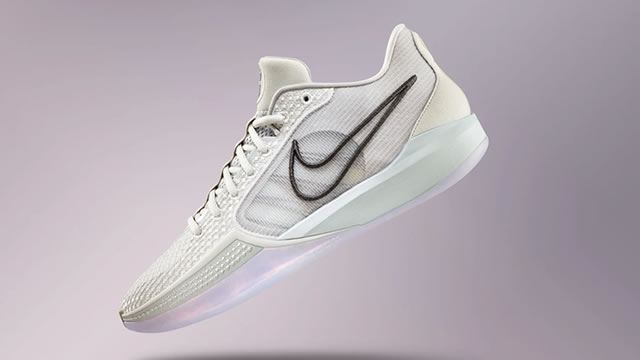
High-performance shoes designed for basketball players, providing support, stability, and traction.

Soccer Cleats

Lightweight, agile, and responsive cleats designed for soccer players, providing traction and control.

Apparel

Comfortable, stylish, and functional clothing for athletes and casual wearers, including tops, bottoms, and outerwear.

Jordan Brand

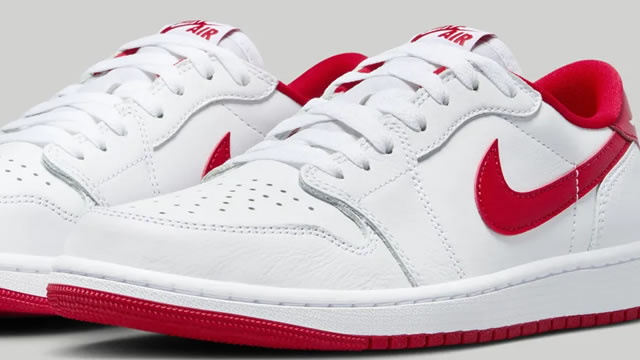
High-end basketball shoes and apparel inspired by Michael Jordan, offering style, comfort, and performance.

Golf Shoes

Water-resistant, comfortable, and stylish golf shoes designed for golfers, providing stability and traction.

Skateboarding Shoes

Durable, comfortable, and responsive shoes designed for skateboarders, providing support and grip.

Digital Fitness

Nike's digital fitness platform, offering training plans, workouts, and tracking features.

Equipment

High-quality sports equipment, including bags, balls, and accessories, designed for athletes and casual players.

8. NIKE, Inc.'s Porter Forces

Forces Ranking

Threat Of Substitutes

Nike's products are highly differentiated, and customers are loyal to the brand, making it difficult for substitutes to emerge.

Bargaining Power Of Customers

While customers have some bargaining power due to the availability of alternative brands, Nike's strong brand image and customer loyalty mitigate this power.

Bargaining Power Of Suppliers

Nike has a diversified supplier base, and no single supplier has significant bargaining power over the company.

Threat Of New Entrants

The athletic apparel industry has high barriers to entry, including significant capital requirements and established distribution networks, making it difficult for new entrants to compete with Nike.

Intensity Of Rivalry

The athletic apparel industry is highly competitive, with several established brands competing for market share, leading to a high intensity of rivalry.

9. SWOT Analysis

10. Capital Structure

10.a. Balance Sheet

10.b. Weighted Average Cost of capital

Value
Debt Weight 46.44%
Debt Cost 3.95%
Equity Weight 53.56%
Equity Cost 9.31%
WACC 6.82%
Leverage 86.72%

11. Quality Control: NIKE, Inc. passed 5 out of 9 key points

12.a Historical Valuation

12.b Price/Earnings Ratio

12.c Margin Valuation

12.d Peers Valuation

Peers Group Analysis

Stock-Card
TJX

A-Score: 5.7/10

Value: 1.6

Growth: 6.6

Quality: 5.8

Yield: 2.0

Momentum: 8.0

Volatility: 10.0

1-Year Total Return ->

Stock-Card
NVR

A-Score: 5.0/10

Value: 4.5

Growth: 7.6

Quality: 7.5

Yield: 0.0

Momentum: 2.0

Volatility: 8.3

1-Year Total Return ->

Stock-Card
Skechers

A-Score: 4.8/10

Value: 4.6

Growth: 7.3

Quality: 6.1

Yield: 0.0

Momentum: 4.0

Volatility: 7.0

1-Year Total Return ->

Stock-Card
Deckers

A-Score: 4.6/10

Value: 5.3

Growth: 9.1

Quality: 8.6

Yield: 0.0

Momentum: 1.0

Volatility: 3.3

1-Year Total Return ->

Stock-Card
Nike

A-Score: 4.2/10

Value: 2.0

Growth: 3.9

Quality: 6.1

Yield: 4.0

Momentum: 4.0

Volatility: 5.3

1-Year Total Return ->

Stock-Card
Caleres

A-Score: 3.9/10

Value: 9.3

Growth: 3.7

Quality: 4.2

Yield: 4.0

Momentum: 0.0

Volatility: 2.3

1-Year Total Return ->

Peers Metrics

12.e Scoring Insights

12.f DCF BETA

Parameters

Short Term Growth

Short term Time

Long-Term Growth

WACC

Target Price

65.86$

Current Price

65.86$

Potential

-0.00%

Expected Cash-Flows