Download PDF

1. Company Snapshot

1.a. Company Description

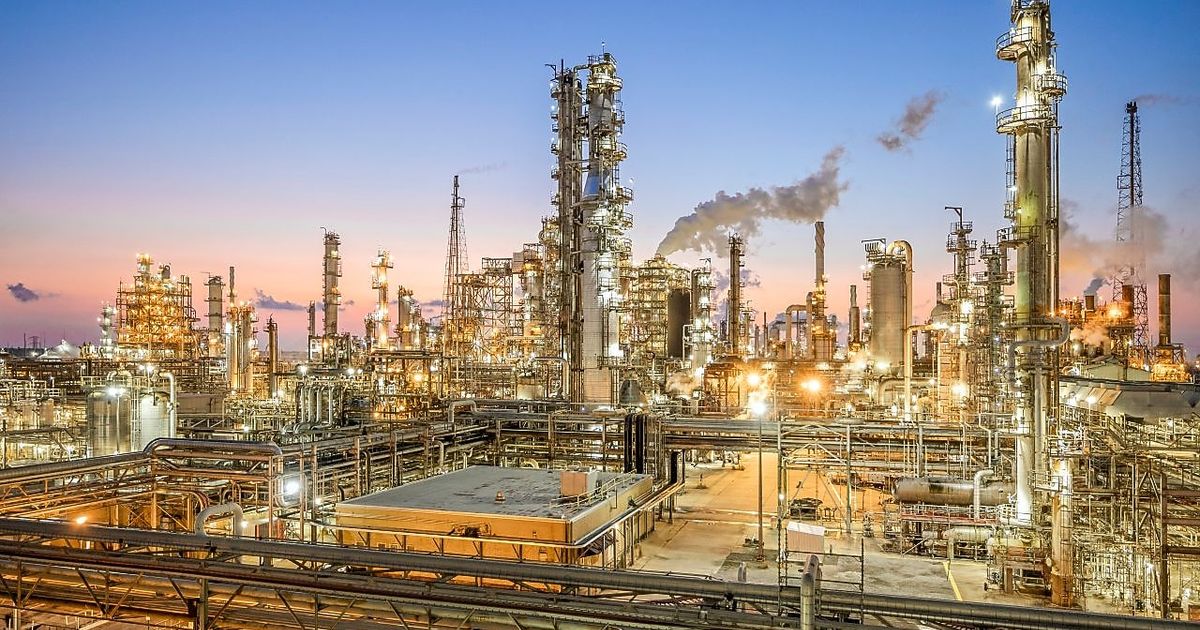
Shell plc operates as an energy and petrochemical company Europe, Asia, Oceania, Africa, the United States, and Rest of the Americas.The company operates through Integrated Gas, Upstream, Marketing, Chemicals and Products, and Renewables and Energy Solutions segments.It explores for and extracts crude oil, natural gas, and natural gas liquids; markets and transports oil and gas; produces gas-to-liquids fuels and other products; and operates upstream and midstream infrastructure necessary to deliver gas to market.


The company also markets and trades natural gas, liquefied natural gas (LNG), crude oil, electricity, carbon-emission rights; and markets and sells LNG as a fuel for heavy-duty vehicles and marine vessels.In addition, it trades in and refines crude oil and other feed stocks, such ase low-carbon fuels, lubricants, bitumen, sulphur, gasoline, diesel, heating oil, aviation fuel, and marine fuel; produces and sells petrochemicals for industrial use; and manages oil sands activities.Further, the company produces base chemicals comprising ethylene, propylene, and aromatics, as well as intermediate chemicals, such as styrene monomer, propylene oxide, solvents, detergent alcohols, ethylene oxide, and ethylene glycol.


Additionally, it generates electricity through wind and solar resources; produces and sells hydrogen; and provides electric vehicle charging services, as well as electricity storage.The company was formerly known as Royal Dutch Shell plc and changed its name to Shell plc in January 2022.Shell plc was founded in 1907 and is headquartered in London, the United Kingdom.

Show Full description

1.b. Last Insights on SHEL

Shell's recent performance has been driven by its solid Q3 earnings report, which showed a profit jump on stronger trading and higher volumes. The company's new $3.5 billion share buyback program is also a positive development, as it reduces the number of outstanding shares and increases shareholder value. According to Wells Fargo, Shell has a equal weight rating. The company's operational strategy and performance updates have led to a modest increase in its Fair Value Estimate. Additionally, Shell's ability to navigate shifting global demand in the energy sector has captured investor attention.

1.c. Company Highlights

2. Shell's Q3 2025 Earnings: Strong Performance Across Businesses

Shell reported adjusted earnings of $5.4 billion and cash flow from operations of $12.2 billion for Q3 2025, driven by strong performance across all businesses. The company's EPS came in at $0.704, beating analyst estimates of $0.637. Revenue growth was not explicitly stated, but analysts estimate a 1.8% growth in revenues for next year. With a P/E Ratio of 17.33 and an EV/EBITDA of 4.87, the market seems to be pricing in a moderate growth trajectory.

Publication Date: Nov -01

📋 Highlights
  • Adjusted Earnings & Cash Flow:: Shell reported $5.4B adjusted earnings and $12.2B cash flow from operations, driven by robust performance across all business segments.
  • Upstream Production Records:: Brazil achieved highest-ever quarterly production, while Gulf of America reached its highest since 2005, contributing over half of liquids output.
  • Shareholder Distributions:: 48% of CFFO allocated to shareholder returns (within 40–50% target), supported by a $3.5B share buyback program to be completed by Q4 2025.
  • Portfolio Simplification:: $1B from divesting noncore assets (e.g., Colonial Pipeline, 400 retail sites) to reallocate capital to high-return opportunities.
  • Operational Cost Discipline:: Year-to-date OpEx 4% lower despite 10% inflation-driven increase, aligned with $5B–$7B annual target amid new asset ramp-ups.

Segment Performance

In Integrated Gas, strong operational delivery increased liquefaction volumes, enabling higher contributions from LNG trading and optimization. The start-up of LNG Canada contributed to these volumes. In Upstream, operational performance resulted in higher production, with Brazil and the Gulf of America making up more than half of liquids production. The company achieved its highest ever quarterly production in Brazil and its highest quarterly production level in the Gulf of America since 2005.

Operational Expenses and Simplification

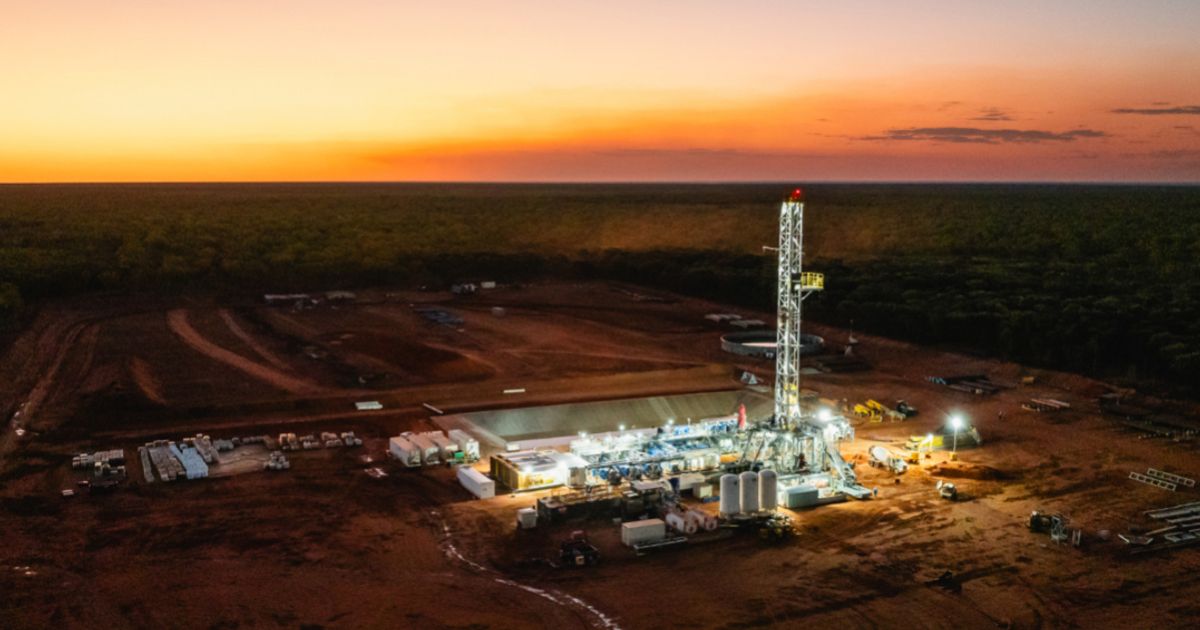
The company is making progress in simplification, with production reaching an all-time high at the QGC asset in Australia, supported by a reduction in well site permits. Underlying operational expenses (OpEx) saw a 10% increase year-over-year, mainly due to inflation and new assets coming online. However, overall OpEx costs are 4% lower year-to-date, and the company is on track to meet its $5 billion to $7 billion target.

Capital Allocation and Distribution

The company's net debt decreased in Q3, and it continues to deliver attractive shareholder distributions. At the end of Q3, shareholder distributions were 48% of CFFO, within the target range of 40% to 50% of CFFO. The company announced a $3.5 billion share buyback program, which is expected to be completed by the time of the Q4 results announcement. With a Dividend Yield of 3.8% and a Free Cash Flow Yield of 13.33%, Shell's distribution policy is attractive to income investors.

Outlook and Growth Opportunities

Wael Sawan mentioned the company's strong conviction in crude prices going forward and its balanced outlook for LNG in the next year or so. The company is assessing various growth opportunities, including LNG Canada Phase 2 and new projects in Brazil, the Gulf of Mexico, and Oman. With a healthy balance sheet and a gearing ratio below 19%, Shell is well-positioned to fund its growth plans and return capital to shareholders.

3. NewsRoom

Card image cap

How the Narrative Surrounding Shell Is Shifting Amid Mixed Analyst Views and Valuation Concerns

Dec -06

Card image cap

Shell (SHEL) Stock Sinks As Market Gains: Here's Why

Dec -05

Card image cap

Sector Update: Energy Stocks Mixed Friday Afternoon

Dec -05

Card image cap

Transaction in Own Shares

Dec -05

Card image cap

FTSE 100 falls despite benign US inflation data

Dec -05

Card image cap

YPF Targets 2026 FID for LNG Project, Shell Exits Over Scope Changes

Dec -05

Card image cap

Chevron Australia, partners reach FID for Gorgon Stage 3 project

Dec -05

Card image cap

Shell & Petrobras Expand Equity in Brazil's Two Pre-Salt Fields

Dec -05

4. Business Breakdown

4.a. Revenues by Country

4.b. Revenues by Segment

5. Expected revenues mid-term growth (4.31%)

6. Segments

Chemicals and Products

Expected Growth: 4.5%

Shell plc's chemicals and products segment is driven by increasing demand for petrochemicals, growth in the global construction industry, and rising adoption of liquefied natural gas.

Marketing

Expected Growth: 2.5%

Shell plc's marketing segment is expected to grow due to increasing demand for energy, improving economic conditions, and the company's focus on digitalization and customer experience. Additionally, Shell's diversification into low-carbon energy solutions will drive growth

Upstream (Excluding Integrated Gas & Oil Sands Mining)

Expected Growth: 4.5%

Shell plc’s Upstream segment, excluding Integrated Gas and Oil Sands Mining operations, is expected to grow driven by increasing demand for liquefied natural gas, rising deepwater production, and ongoing cost reduction initiatives.

Integrated Gas (Excl. Renewables and Energy Solutions)

Expected Growth: 4.3%

Shell's Integrated Gas segment is expected to grow driven by increasing global demand for liquefied natural gas (LNG), Shell's strong LNG portfolio, and its strategic partnerships.

Renewables and Energy Solutions

Expected Growth: 10.5%

Shell plc's growth in low-carbon fuels and energy solutions is driven by increasing demand for sustainable energy, government regulations, and investments in electric vehicle infrastructure, positioning the company for long-term growth.

Corporate

Expected Growth: 5.3%

Shell plc's growth is driven by increasing demand for LNG and renewable energy, cost savings from digitalization and synergies from the BG acquisition, and strategic investments in emerging economies.

Inter-Segment

Expected Growth: 4.5%

Shell's integrated model drives growth through its Upstream, Integrated Gas, and Downstream segments, fueled by increasing energy demand, cost optimization, and growing LNG sales.

7. Detailed Products

Petrol

A refined product derived from crude oil, used as a fuel for vehicles and other engines

Diesel

A refined product derived from crude oil, used as a fuel for vehicles and other engines

Lubricants

Substances used to reduce friction and wear on moving parts, used in vehicles and industrial machinery

Aviation Fuel

A specialized fuel used to power aircraft engines

Liquefied Petroleum Gas (LPG)

A fuel used for cooking, heating and powering vehicles

Bitumen

A binding agent used in road construction and maintenance

Chemicals

A range of chemicals used in various industries, including manufacturing and construction

Wind Energy

Renewable energy generated from wind power

Solar Energy

Renewable energy generated from solar power

Hydrogen Fuel Cells

A clean and efficient source of energy used to power vehicles and other applications

8. Shell plc's Porter Forces

Forces Ranking

Threat Of Substitutes

Shell plc has a moderate threat of substitutes due to the availability of alternative energy sources such as solar and wind power, but the high cost and limited infrastructure for these alternatives reduces the threat.

Bargaining Power Of Customers

Shell plc has a low bargaining power of customers due to the lack of negotiating power of individual customers, and the company's large customer base reduces the impact of any single customer.

Bargaining Power Of Suppliers

Shell plc has a moderate bargaining power of suppliers due to the presence of multiple suppliers, but the company's large scale of operations and vertical integration reduce the bargaining power of suppliers.

Threat Of New Entrants

Shell plc has a low threat of new entrants due to the high barriers to entry in the oil and gas industry, including the need for significant capital investment and regulatory approvals.

Intensity Of Rivalry

Shell plc operates in a highly competitive industry with intense rivalry among existing players, including ExxonMobil, BP, and Chevron, which drives down prices and increases marketing expenses.

9. SWOT Analysis

10. Capital Structure

10.a. Balance Sheet

10.b. Weighted Average Cost of capital

Value
Debt Weight 22.39%
Debt Cost 6.68%
Equity Weight 77.61%
Equity Cost 6.68%
WACC 6.68%
Leverage 28.85%

11. Quality Control: Shell plc passed 4 out of 9 key points

12.a Historical Valuation

12.b Price/Earnings Ratio

12.c Margin Valuation

12.d Peers Valuation

Peers Group Analysis

Stock-Card
PKN ORLEN

A-Score: 6.7/10

Value: 8.7

Growth: 3.3

Quality: 4.6

Yield: 8.1

Momentum: 9.0

Volatility: 6.7

1-Year Total Return ->

Stock-Card
Repsol

A-Score: 6.7/10

Value: 7.1

Growth: 5.6

Quality: 2.5

Yield: 8.8

Momentum: 8.0

Volatility: 8.3

1-Year Total Return ->

Stock-Card
Eni

A-Score: 6.4/10

Value: 7.5

Growth: 4.8

Quality: 3.2

Yield: 8.8

Momentum: 5.0

Volatility: 9.3

1-Year Total Return ->

Stock-Card
Shell

A-Score: 6.0/10

Value: 6.9

Growth: 4.1

Quality: 4.5

Yield: 6.2

Momentum: 5.5

Volatility: 9.0

1-Year Total Return ->

Stock-Card
Equinor

A-Score: 5.8/10

Value: 8.3

Growth: 6.0

Quality: 5.0

Yield: 7.5

Momentum: 1.5

Volatility: 6.3

1-Year Total Return ->

Stock-Card
BP

A-Score: 5.7/10

Value: 6.2

Growth: 2.9

Quality: 2.7

Yield: 8.8

Momentum: 6.0

Volatility: 7.7

1-Year Total Return ->

Peers Metrics

12.e Scoring Insights

12.f DCF BETA

Parameters

Short Term Growth

Short term Time

Long-Term Growth

WACC

Target Price

27.6$

Current Price

27.6$

Potential

-0.00%

Expected Cash-Flows